Product6 min
Now available: usage dashboards
Built for the person with five minutes between meetings.
Lu Brandt
The thinking behind the release and what comes next.
Version history keeps every change, who made it, and why. Restoring an older version is a single action, and it never deletes the newer ones. This post covers what we changed, why, and what it means for you.
Every change now shows its status in plain language. You see when it is saving, when it is publishing, and the moment it is live, with a link to check for yourself.
This is available today on every plan. We will keep shipping small improvements every week, and we read every piece of feedback that comes in.
We designed for the person who has five minutes between meetings. The common path takes two clicks, and everything else stays out of the way until you ask for it.
Teams told us the same thing in different words: the work was done, but getting it live took longer than doing it. This release is about closing that gap.
Preview links work for anyone you send them to, even people without an account. They expire on their own, so nobody has to remember to clean them up.
| Step | Before | After |
|---|---|---|
| Install | 94s | 12s |
| Build | 41s | 7s |
| Deploy | 18s | 4s |
Admins can scope access by project, so guest contributors see only what they are working on. Nothing about the experience changes for everyone else.
Version history keeps every change, who made it, and why. Restoring an older version is a single action, and it never deletes the newer ones.
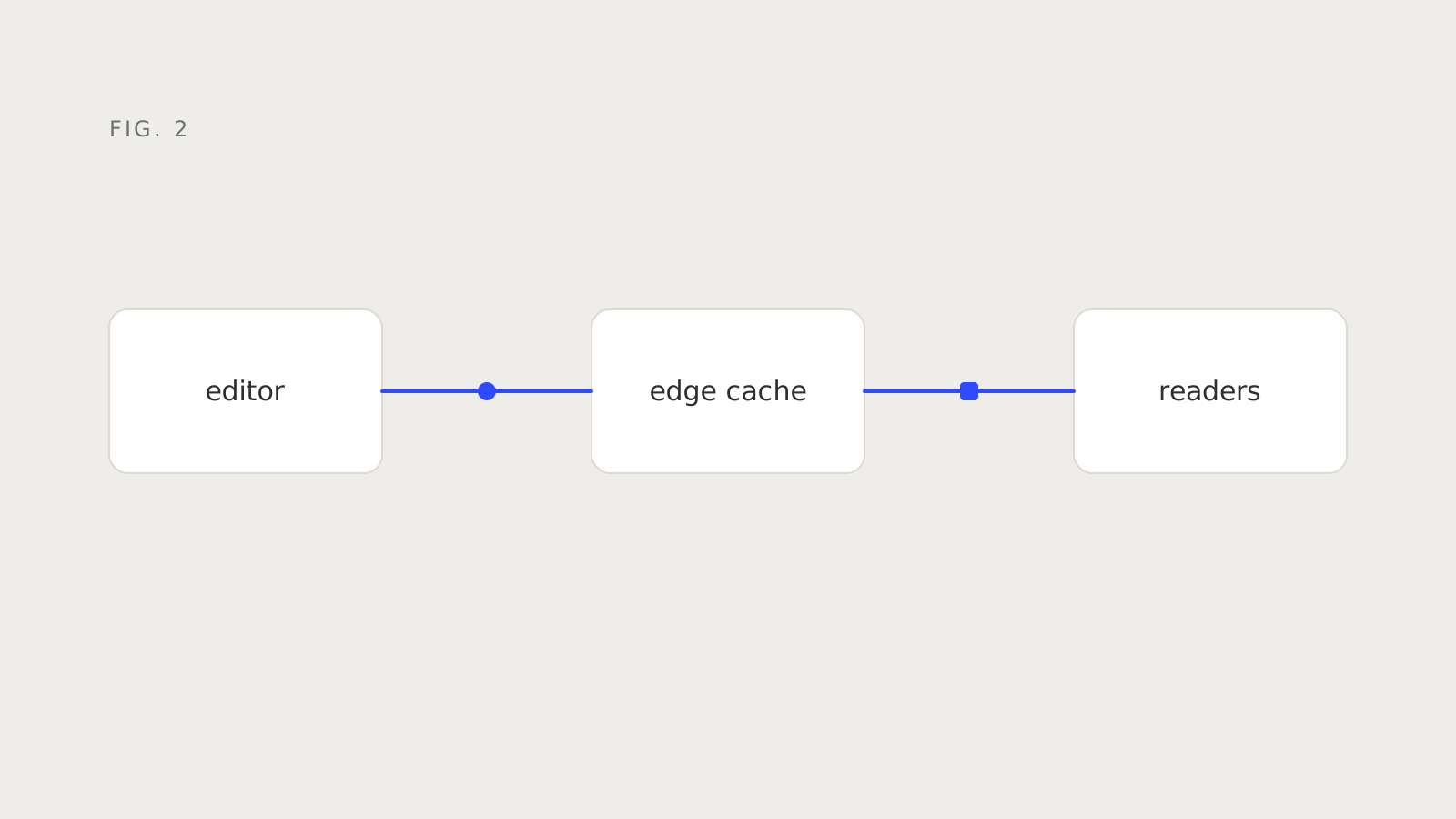
Every change now shows its status in plain language. You see when it is saving, when it is publishing, and the moment it is live, with a link to check for yourself.
This is available today on every plan. We will keep shipping small improvements every week, and we read every piece of feedback that comes in.
“The safe path has to be the easy path.”
We designed for the person who has five minutes between meetings. The common path takes two clicks, and everything else stays out of the way until you ask for it.
Teams told us the same thing in different words: the work was done, but getting it live took longer than doing it. This release is about closing that gap.
Preview links work for anyone you send them to, even people without an account. They expire on their own, so nobody has to remember to clean them up.
Admins can scope access by project, so guest contributors see only what they are working on. Nothing about the experience changes for everyone else.
Version history keeps every change, who made it, and why. Restoring an older version is a single action, and it never deletes the newer ones.
Product6 min
Built for the person with five minutes between meetings.
Product10 min
The thinking behind the release and what comes next.
Product5 min
Less waiting between done and live, for every team.